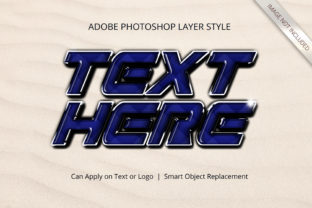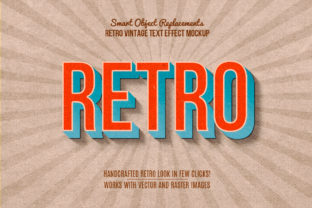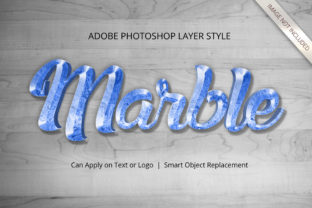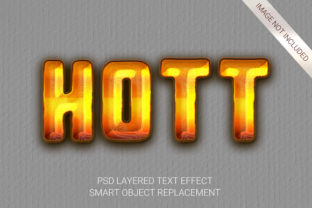
Mastering the Photoshop Text Effect Layer Style for Instant 3D Transformation
In the fast-paced world of digital design, the gap between a flat concept and a polished, professional deliverable often comes down to technical execution. Designers, marketers, and content creators frequently face the challenge of adding depth and realism to typography without getting bogged down in complex modeling software or hours of manual shading. This is where the Photoshop Text Effect Layer Style becomes an indispensable asset. By leveraging advanced layer effects, specifically designed to simulate three-dimensional geometry, users can transform simple text into tangible, physical-looking objects with remarkable efficiency.
The core philosophy behind this technique is accessibility. You do not need to be a master of 3D rendering or possess extensive knowledge of lighting physics to achieve high-quality results. The workflow relies heavily on the power of Smart Objects, a feature that decouples the visual effect from the original source data. This separation ensures that your creative decisions remain flexible. Whether you are preparing assets for a marketing campaign, creating educational materials, or developing branding for a new startup, the ability to instantly adapt text styles without rebuilding the entire composition is a significant productivity booster.
Integrating 3D Typography into Your Creative Workflow
Understanding how to implement the Photoshop Text Effect Layer Style requires looking at it not as an isolated trick, but as a modular component within a larger design ecosystem. In many professional scenarios, text is not merely a label; it is a structural element that anchors the viewer's attention. When used effectively, 3D text effects can guide the eye, create hierarchy, and add a sense of weight and importance to key messages.
This approach fits seamlessly into various stages of a project lifecycle. During the initial planning phase, designers can use these templates to mock up concepts quickly, allowing stakeholders to visualize the final product before any heavy lifting occurs. Once the concept is approved, the same file serves as the production engine. Because the system is built on Smart Objects, the transition from a rough draft to a final high-resolution export is frictionless. You can swap out the text, change the color palette, or alter the shape of the letters, and the underlying 3D logic automatically recalculates the highlights, shadows, and perspective.
Furthermore, this method interacts harmoniously with other design tools and resources. If you are working within a broader brand identity system, the consistency provided by pre-set layer styles ensures that every piece of collateral maintains a unified look. It eliminates the common pitfall of inconsistent lighting across different documents, which often happens when multiple team members manually apply effects. By standardizing the process through a well-organized template, you ensure that the output remains professional regardless of who is executing the task.
Technical Advantages: Efficiency and Quality Control
The primary driver for adopting this specific style of text effect is the balance between quality and speed. Traditional methods of creating 3D text involve extruding layers, applying gradient maps, and manually painting shadows. This process is time-consuming and prone to errors if the source image changes. In contrast, the Smart Object Replacement workflow offers a streamlined alternative that preserves quality while drastically reducing turnaround time.
- High Resolution and Scalability: The templates are delivered in High Resolution at 300 DPI, making them suitable for both digital screens and large-format print projects. You can scale the text up or down without losing clarity, ensuring that your work looks crisp whether it is viewed on a mobile device or printed on a billboard.
- Organized Layer Structure: A well-organized file is the backbone of efficient editing. These templates maintain a clean layer stack, separating the base text, the lighting effects, and the background elements. This organization makes it easy to isolate specific components for adjustment later in the process.
- Versatility Across Styles: While the focus is on 3D effects, the underlying structure is highly versatile. The same template can support various themes, from sleek corporate branding to playful, rounded shapes for children's content. The lighting engine adapts to the geometry of whatever text you place inside it.
For small business owners and freelancers, this versatility translates directly into cost savings and faster delivery times. Instead of hiring a specialized 3D artist for every new headline, you have the capability to generate studio-quality typography in-house. This democratization of high-end design tools allows professionals to take on more complex projects without expanding their overhead.
Step-by-Step Implementation Guide
To integrate this technology into your daily routine, the process is designed to be intuitive and error-proof. The workflow is engineered so that no artistic skill is required to manipulate the 3D properties. Everything is controlled through the smart object mechanism, which acts as a container for your content.
- Access the Template: Begin by opening the template file located inside the dedicated Template folder. Ensure you are using a version of Photoshop that supports Smart Objects fully. This initial step sets the stage for all subsequent edits.
- Activate the Smart Object: Navigate to your Layers panel and locate the thumbnail representing the text area. Double-click on this Smart Object icon. This action will open a separate window containing the editable content. This isolation is crucial; it prevents accidental damage to the main file's structure while you make changes.
- Insert Your Content: Within the new window, place your art, logo, or text. Use the Free Transform tool (press CTRL or CMD + T) to resize and position your elements exactly as needed. Because the environment is isolated, you can experiment freely with fonts, spacing, and scaling without affecting the global settings of the main document.
- Save and Return: Once you are satisfied with the placement, save the Smart Object file and close the window. Upon returning to the main template, you will immediately see your art adapting to the correct perspective, highlights, and shadows. The system automatically calculates how light would hit your new geometry, creating the illusion of a real, physical incarnation of your project.
- Handle Multiple Elements: If your template includes a stack of posters or multiple text layers, rest assured that the Smart Object handles duplication automatically. You do not need to manually copy and paste effects for each item. The system intelligently applies the 3D transformation to every instance, maintaining consistency across the entire design.
Long-Term Usability and Adaptability
The value of the Photoshop Text Effect Layer Style extends beyond a single project. As your business grows or your personal skills evolve, the ability to reuse and modify these assets becomes increasingly valuable. The "No Skill Requirement" aspect does not mean the output lacks sophistication; rather, it means the complexity has been abstracted away, leaving only the creative decisions for you to make.
Consider the scenario of a marketing agency managing campaigns for multiple clients. They can maintain a library of these templates, each tailored to a specific industry aesthetic. When a client requests a last-minute change to a headline, the designer can swap the text in seconds and receive a photorealistic result. This level of agility is essential in modern workflows where deadlines are tight and client expectations are high.
Additionally, the compatibility of these files ensures longevity. As long as Adobe Photoshop continues to support Smart Objects, these templates remain functional. They are future-proof assets that can be updated with new fonts or graphics as trends shift. For educators and bloggers, this means creating evergreen content that remains visually appealing over time. For hobbyists, it provides a gateway to professional-grade results without the steep learning curve typically associated with 3D design.
Ultimately, the integration of this technique represents a shift towards smarter, more efficient design practices. It empowers users to focus on the message and the strategy rather than the mechanics of rendering. By understanding how to utilize the Smart Object replacement workflow, you gain a powerful tool that bridges the gap between simple text and immersive visual experiences. Whether you are refining a logo, designing a book cover, or producing social media graphics, the Photoshop Text Effect Layer Style offers a reliable, high-quality solution that adapts to your needs.
The combination of 100% editability, high resolution, and automated lighting calculations creates a seamless experience. It removes the barriers that once prevented non-specialists from achieving 3D results. As you incorporate this method into your routine, you will find that your designs become more dynamic and engaging, while your workflow becomes significantly smoother. The result is a professional output that commands attention, delivered with unprecedented ease.