Why Linda Is the Strategic Choice for High-Impact Display Typography
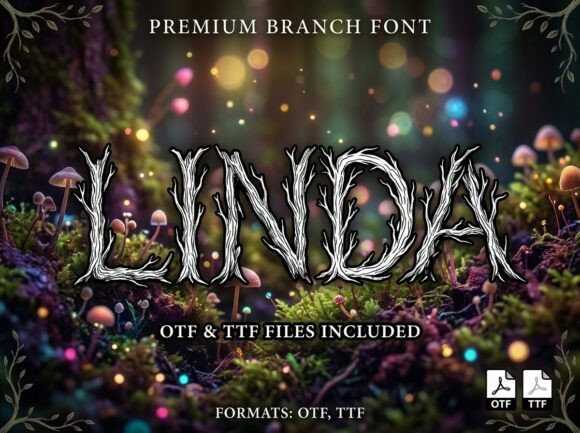
In the crowded landscape of digital design, selecting a typeface often feels like navigating a sea of sameness. Designers frequently struggle to find a balance between artistic flair and professional readability. This is where Linda enters the conversation as a distinct alternative to standard serif or sans-serif collections. It is not merely a font; it is a stunning decorative display type designed to command attention. For creators who are ready to break away from the ordinary, Linda offers a strong visual personality that transforms simple text into a work of art.
Understanding the specific niche of a typeface is crucial before making a purchase decision. Unlike versatile body fonts intended for long-form reading, Linda is engineered for high-impact moments. Its unique artistic elements and bold strokes make it an ideal candidate for headlines, logos, and creative packaging. However, its specialized nature means it requires a strategic approach to usage. This evaluation explores what makes Linda distinct, how it compares to other display options, and the specific scenarios where it delivers the best results.
Defining the Unique Character of Linda
The primary differentiator of Linda lies in its commitment to being a center-of-attention asset. While many modern fonts prioritize neutrality to let content speak, Linda prioritizes expression. Every curve and angle is crafted with a polished finish that maintains a sense of professionalism despite its decorative nature. This duality allows it to function effectively in commercial contexts without appearing amateurish or overly chaotic.
The font's structure relies on geometric precision mixed with artistic flourishes. When applied correctly, these features create a hierarchy that guides the viewer's eye immediately. In a market saturated with generic templates, Linda provides a way to establish brand identity instantly. Whether used for a movie poster, a luxury product label, or a bold website banner, the typeface carries an inherent weight that commands respect.
However, this strength comes with a specific constraint that defines its utility. Linda is an all-caps uppercase-only display typeface. It does not include lowercase letters. This limitation is not a flaw but a deliberate design choice focused on creating impactful headlines and decorative initials. Users must understand that this font is designed for short bursts of text rather than continuous reading. Recognizing this distinction is the first step in determining if Linda fits your project requirements.
Technical Delivery and Compatibility
Beyond aesthetics, the technical delivery of Linda ensures it can be integrated into various workflows. Purchasing this font grants access to two essential file formats: the OpenType Font (OTF) and the TrueType Font (TTF). These formats serve different purposes within the design ecosystem.
- OpenType Font (OTF): This is the professional standard for advanced design and layout software. If you are working in Adobe Illustrator, InDesign, or Affinity Designer, the OTF version provides superior control over kerning pairs and advanced typographic features. It is the preferred format for print production and complex layouts where precision is paramount.
- TrueType Font (TTF): Designed for universal compatibility, the TTF file ensures the font renders correctly across all devices and operating systems. This is particularly useful for web designers who need to ensure their headers look consistent on older browsers or mobile devices where advanced font rendering might be limited.
Having both files included eliminates the guesswork of conversion. You can utilize the robust features of OTF for final artwork while relying on TTF for rapid prototyping or cross-platform sharing. This dual-format approach demonstrates a commitment to versatility, ensuring the designer has the right tool for every stage of the process.
Evaluating Fit: When to Choose Linda Over Alternatives
Selecting the right typography involves comparing specific needs against available solutions. To determine if Linda is the right choice, one must evaluate the context of the project against the limitations of the font family.
Ideal Use Cases for Linda
Linda excels in situations where visual impact takes precedence over informational density. The following scenarios represent the "sweet spot" for this typeface:
- Bold Headlines: For magazine covers, blog post titles, or landing page hero sections, Linda's uppercase structure creates an immediate focal point. The lack of lowercase letters forces a compact, block-like composition that works exceptionally well for short, punchy phrases.
- Artistic Logos: Brands looking to convey creativity, elegance, or uniqueness will find value in Linda. Its strong visual personality allows it to stand alone as a logo mark without needing additional graphic elements.
- Creative Packaging: On product labels, especially for cosmetics, artisanal foods, or fashion accessories, Linda adds a layer of sophistication. The decorative elements catch the light and draw the consumer's eye in a retail environment.
- Decorative Initials: Because every letter is treated as a work of art, Linda is perfect for drop caps in editorial design or large initial letters in invitations and certificates.
Limitations and Tradeoffs
While Linda is powerful, it is not a universal solution. The most significant tradeoff is the absence of lowercase characters. This restricts the font to short copy only. Attempting to use Linda for paragraphs, subheadings that require sentence case, or navigation menus will result in a disjointed and difficult-to-read experience.
Furthermore, the decorative nature of the font can clash with minimalist design trends. If a project demands a clean, understated, and highly legible aesthetic—such as a financial report, a medical interface, or a corporate manual—Linda would likely be too loud. In these instances, a neutral sans-serif or a classic serif would be a more appropriate choice. The "stunning" quality of Linda is a double-edged sword; it draws eyes, but it also demands space and focus.
Comparative Analysis: Linda vs. Standard Display Fonts
When evaluating Linda against other options in the display category, several key differences emerge regarding flexibility, audience perception, and application scope.
Versatility vs. Specialization
Many popular display fonts offer a mix of weights, styles, and sometimes even lowercase variants. These "all-in-one" fonts provide flexibility for projects that need to shift tone quickly. Linda, by contrast, is highly specialized. It sacrifices breadth for depth of character. If a designer needs a single font to handle everything from a logo to a footer menu, Linda is not the correct tool. However, if the goal is to create a singular, memorable visual statement, Linda outperforms general-purpose fonts that may feel generic.
Professional Finish vs. Edgy Aesthetic
Some decorative fonts lean heavily into grunge, retro, or experimental styles that can alienate conservative audiences. Linda distinguishes itself by maintaining a professional and polished finish. This makes it safer for commercial clients who want something unique but cannot afford to appear unprofessional. It bridges the gap between avant-garde art and corporate branding better than many of its peers.
File Structure and Integration
In terms of technical comparison, the inclusion of both OTF and TTF formats places Linda ahead of many budget or free alternatives that often provide only a single file type. This ensures that the font remains accessible regardless of the client's software environment. While some premium competitors may offer variable fonts with multiple axes of adjustment, Linda focuses on delivering a static, perfectly curated set of uppercase glyphs that are ready for immediate deployment.
Making the Decision: Key Factors to Consider
Before integrating Linda into a workflow, designers should ask themselves a series of critical questions to ensure alignment with project goals.
First, consider the message hierarchy. Will the text using Linda be the primary focus? If the font is going to be lost in a wall of text or used for secondary information, a more subtle option is required. Linda is meant to lead the narrative, not follow it.
Second, evaluate the target audience. Does the demographic appreciate bold, artistic expressions? For younger, trend-conscious audiences or luxury markets, Linda resonates well. For traditional sectors like law or healthcare, it may be perceived as distracting unless used very sparingly.
Finally, assess the technical constraints. Ensure that the project supports the necessary file formats. While OTF and TTF cover most bases, web implementation might require converting the font to web-safe formats like WOFF or WOFF2, which is a standard practice for any desktop font.
The decision to use Linda ultimately rests on the desire for impact. It is a tool for those who refuse to blend in. By understanding its strengths as a decorative display type and respecting its limitations as an uppercase-only font, designers can leverage Linda to create work that is both visually striking and professionally executed. It serves as a reminder that typography is not just about communication, but about setting a mood and establishing a presence.