Revolutionizing Visual Communication with 3D Modern Graphic Style
In the rapidly evolving landscape of digital design, the shift from flat aesthetics to immersive spatial experiences has become a defining trend. 3D Modern Graphic Style represents more than just a visual preference; it is a fundamental evolution in how information is processed and consumed by audiences worldwide. This approach merges the precision of modern typography with the depth and realism of three-dimensional rendering, creating assets that command attention and convey complex ideas with unprecedented clarity.
The transition to this style is not merely about making things look "cool." It is about enhancing cognitive load management. When a designer utilizes 3D elements, they are leveraging human psychology's natural affinity for depth perception. Our brains are wired to process spatial relationships quickly, allowing users to grasp hierarchies, interactions, and emotional tones instantly. Whether you are a business owner looking to elevate your brand identity or an educator seeking to make learning materials more engaging, understanding the mechanics and benefits of this style is crucial for modern success.
The Core Characteristics of Immersive Design
At its heart, 3D Modern Graphic Style relies on a specific set of visual principles that distinguish it from traditional two-dimensional layouts. The most prominent feature is the use of volumetric lighting and shadows. Unlike flat designs where shading is often symbolic, 3D graphics utilize realistic light sources that interact with objects based on their material properties. This creates a sense of weight and presence that flat icons simply cannot achieve.
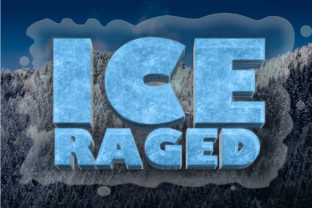
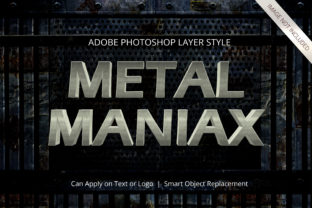
- Materiality and Texture: Modern 3D graphics often simulate real-world materials such as brushed metal, frosted glass, matte plastic, or soft silicone. These textures add a tactile quality to digital screens, inviting the user to imagine touching the object.
- Dynamic Lighting: The interplay of ambient occlusion, specular highlights, and soft shadows gives objects a grounded feel. Light doesn't just illuminate; it sculpts.
- Spatial Depth: By utilizing parallax effects and layering, designers create environments where foreground and background elements exist in a cohesive space rather than on a single plane.
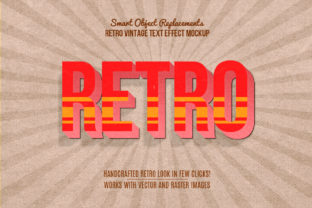
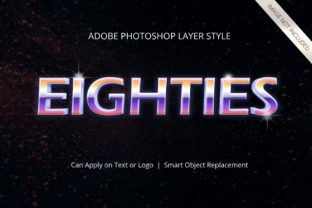
- Typography Integration: Text in this style is rarely just a flat overlay. Letters are extruded, wrapped around curves, or rendered as solid blocks that cast shadows on other elements, integrating the message into the scene itself.
These characteristics work together to create a cohesive narrative. A logo is no longer just a symbol; it becomes a physical entity. A chart is no longer just data; it becomes a structure to be explored. This level of detail transforms passive viewing into active observation.
Bridging the Gap Between Creativity and Accessibility
One of the most significant advantages of contemporary workflows involving 3D Modern Graphic Style is the democratization of high-quality asset creation. Historically, producing photorealistic 3D graphics required expensive hardware, specialized software licenses, and years of technical training in modeling and texturing. Today, the barrier to entry has been dramatically lowered through smart templates and intuitive design tools.
The concept of "smart objects" within design files has revolutionized the production pipeline. These are pre-configured layers that allow users to replace placeholder content with their own images, logos, or text while automatically maintaining the complex 3D effects applied by the original artist. This means that a professional graphic designer can maintain brand consistency without needing to model every element from scratch. For small business owners and hobbyists, this translates to the ability to produce agency-level visuals without hiring a dedicated 3D artist.
This accessibility ensures that high-resolution output is no longer reserved for large corporations. With support for 300 DPI resolution, these assets are print-ready for brochures, billboards, and packaging, ensuring that the crispness of the digital design is preserved in the physical world. The workflow is streamlined: open the file, edit the text, swap the image, and export. There is no requirement for deep coding skills or advanced rendering knowledge to achieve professional results.
Practical Applications Across Industries
The versatility of this design language allows it to permeate almost every sector of the economy. Its application goes beyond simple decoration; it serves functional purposes in communication and branding.
Marketing and Brand Identity
For businesses, standing out in a crowded marketplace is essential. 3D Modern Graphic Style provides a distinct visual signature. Brands can create custom mascots, product mockups, and interactive advertisements that capture the imagination. Imagine a sneaker company showcasing a shoe that rotates in mid-air, highlighting the texture of the sole and the reflection on the leather. This level of detail builds trust and desire, driving conversion rates higher than static images ever could.
Educational and Technical Illustration
Educators and researchers benefit immensely from the ability to visualize abstract concepts. Complex machinery, biological cells, or architectural blueprints can be rendered in 3D to show internal structures and mechanisms. Students can rotate a model of a molecule or zoom into a historical artifact, gaining a deeper understanding of the subject matter. The clarity provided by realistic lighting helps in distinguishing different components, making learning more intuitive and less reliant on rote memorization.
Digital Product Interfaces
In the realm of web and app design, 3D elements enhance user experience (UX). Buttons that appear to have depth encourage clicking. Loading animations that involve spinning geometric shapes keep users engaged during wait times. Icons that pop off the screen provide immediate visual feedback. This modern aesthetic aligns perfectly with the capabilities of modern displays, which are increasingly capable of rendering high-fidelity graphics smoothly.
Strategic Implementation and Considerations
While the benefits are clear, implementing 3D Modern Graphic Style requires a strategic approach to ensure effectiveness. It is not always appropriate to use heavy 3D effects in every context. Overuse can lead to visual clutter, slow loading times, and a distraction from the core message.
Performance Optimization: High-resolution 3D assets can be file-heavy. Designers must balance visual fidelity with performance. Using vector-based 3D styles or optimized raster formats ensures that websites remain fast and responsive. Smart object workflows help here, as they allow for scalable assets that do not lose quality when resized.
Accessibility: Accessibility remains a priority. While 3D graphics are visually stunning, they must not exclude users with visual impairments. Contrast ratios should be maintained, and alternative text descriptions must be provided for screen readers. The goal is to enhance the experience for all users, not just those with high-end devices.
Consistency: A common pitfall is mixing 3D styles with disparate design languages. If a website uses flat icons alongside hyper-realistic 3D characters, the result can look disjointed. Successful implementation involves establishing a consistent lighting direction, shadow hardness, and color palette across all assets. This coherence reinforces the brand's professional image.
The Future of Spatial Design
As technology advances, the line between the digital and physical worlds continues to blur. Augmented Reality (AR) and Virtual Reality (VR) are becoming mainstream, and 3D Modern Graphic Style is the native language of these mediums. What starts as a flat design today will likely need to be adaptable for 3D environments tomorrow. By adopting these styles now, creators future-proof their portfolios and assets.
The trend is moving towards even greater interactivity. We are seeing a rise in "scrollytelling," where scrolling down a webpage triggers 3D animations that tell a story. Products can be viewed from every angle before purchase. Education can happen in simulated environments. The potential for innovation is limitless.
Furthermore, the ease of editing described in modern workflows means that iteration is faster than ever. A/B testing different 3D styles to see which resonates best with an audience is now feasible for smaller teams. This data-driven approach to design ensures that the final output is not just aesthetically pleasing but also effective in achieving business goals.
Conclusion
The adoption of 3D Modern Graphic Style is a testament to the industry's commitment to pushing boundaries and improving communication. It offers a powerful toolset for professionals, educators, and creators alike to express ideas with depth, realism, and impact. By leveraging high-quality, editable assets that require no specialized skills, anyone can participate in this visual revolution.
Whether you are crafting a marketing campaign, designing a textbook, or building a new brand identity, the integration of 3D elements adds a layer of sophistication that engages users on a deeper level. As we move forward, those who embrace these techniques will find themselves at the forefront of visual storytelling, turning static messages into dynamic experiences. The era of flat design is evolving, and the future belongs to those who dare to go deeper.